The Foot is the Foundation of Health
Our feet are a perfect natural mechanism that we have almost stopped using for their intended purpose. Modern lifestyles, rigid footwear, and asphalt have deprived our feet of their natural function. We have stopped feeling the ground, and along with that, we have lost the natural shock absorption that evolution built into us. But why is this so important, and how can a small insole affect the entire body?
In the East, they say that the legs are the second heart of a person. There is profound meaning in this, especially from a biomechanical perspective. In the arch of the foot lies a special muscle, often called the «sail muscle» (plantar fascia). It works as a natural shock absorber, cushioning impact loads when walking, running, and even just standing still. Every step we take is a jolt that travels up through the skeleton. A healthy foot dampens this jolt, protecting the spine and joints.
Imagine your spine is the chassis of a car. If one shock absorber breaks, the entire system begins to fail. The same thing happens in the body. When the foot flattens and its arch collapses, the shock absorption disappears. While walking, the spine begins to receive harsh impacts that jar the intervertebral discs. They compress, crack, and this leads to the development of osteochondrosis, protrusions, and hernias.
Moreover, the curve of a healthy foot perfectly mirrors the curves of the spine. Each section of the foot supports the corresponding section of the spinal column. Disrupting this harmony triggers a chain reaction: flat feet cause the foot to roll inward, which changes the load on the ankle, knees, and hip joints. Cartilage begins to wear down, leading to arthrosis and joint pain.
But most importantly, foot deformation leads to a pelvic tilt. To compensate for this and keep the body upright, the spine begins to curve: first the lumbar region, then the thoracic, and finally the cervical. The result is a complex S-shaped deformation that compresses the intervertebral discs and disrupts their nutrition. This is how protrusions and hernias begin. And the most interesting part is that this chain of destruction starts precisely with an improper foot.
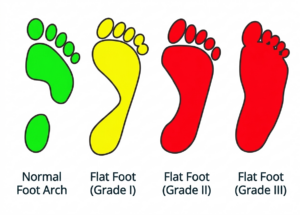
You can assess the condition of your foundation with a simple home test. Take two sheets of paper and place them on the floor shoulder-width apart. Wet your feet and stand on the sheets, shifting your body weight onto both feet. Trace the resulting footprint with a pencil. Now, draw a line from the center of the heel to the center of the base of the big toe, and a second line from the center of the heel to the point between the second and third toes.
Ideally, these lines should fall outside the footprint. If one line crosses the footprint, it indicates the first stage of flat feet. If both lines are inside, it’s already the third stage, which inevitably leads to spinal problems. Surprisingly, in 99% of people, the picture is different for the right and left feet, indicating a pelvic tilt and asymmetrical load on the entire skeleton.
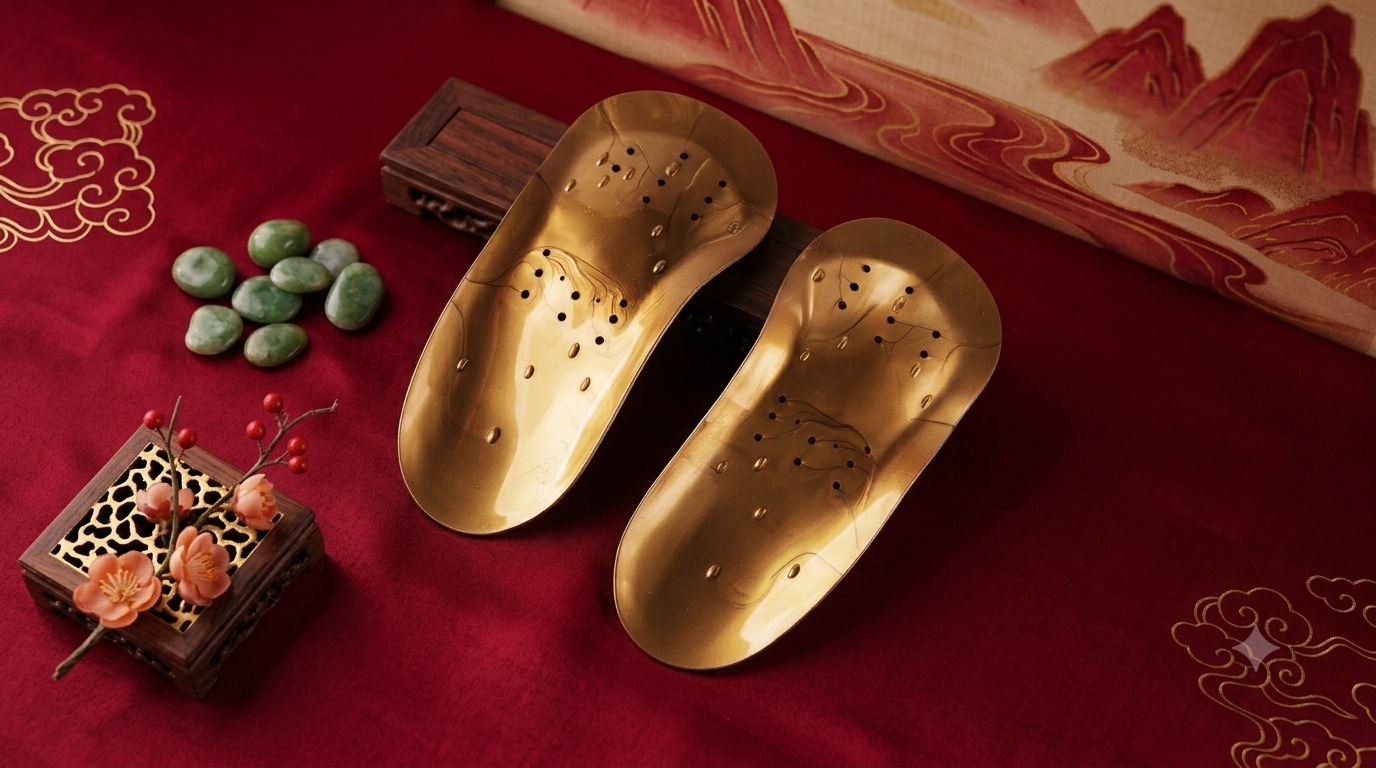
It was precisely to break this destructive chain that Whieda corrective insoles were created. They are not just an orthopedic arch support, but a well-thought-out system that works on multiple levels. They don’t cure hernias, but they prevent their further development and restore the body’s proper biomechanics.
Anatomical Correction. The insole forms the correct arch of the foot, restoring its natural curve and shock-absorbing function. This equalizes the load on all the joints above: the ankle, knees, and hip joint. When the foot assumes the correct position, the pelvis levels out, the spine straightens, and compression on the intervertebral discs is relieved. The material of the insoles is so durable that it is designed for 50 years of use, remaining consistently effective.
Magnetotherapy. Six magnets are embedded in the arch of the foot. Their task is not just to «treat» something locally, but to affect the circulatory system as a whole. The magnetic field helps thin the blood, making it more fluid, and relieves spasms from the walls of blood vessels and capillaries. This is crucial because thick, viscous blood is a cause of varicose veins, thrombosis, and a major risk factor for heart attacks and strokes. By improving microcirculation in the feet, the insoles reduce the strain on the heart and help prevent serious cardiovascular diseases.
Ionization and Reflexotherapy. The insole material contains components that generate negatively charged oxygen ions (anions). In our daily lives, surrounded by technology and smog, we breathe heavy positive oxygen, which is poorly absorbed by the body. Anions, conversely, saturate the blood with pure oxygen, making it more fluid and improving metabolic processes. Additionally, the surface of the insoles features special bumps that stimulate biologically active points on the foot connected to internal organs: the heart, liver, stomach, pancreas, bladder, and even the insomnia point. Changes in the color of the insoles can indirectly reflect changes in the body, although this is not a medical diagnosis.
But the most important part is how restoring foot biomechanics affects specific, everyday problems. This is not abstract «health improvement,» but quite tangible changes.
Relief of Foot Pain and Discomfort:
Correcting the foot arch directly addresses the causes of pain. With heel spurs, restoring proper shock absorption and improving blood flow in the heel area reduces inflammation and pain. With flat feet and developing hallux valgus (bunions), the insole acts as a frame: it lifts the longitudinal and transverse arches, returning the foot bones to their anatomically correct position. This stops further deformation and gradually reduces an already formed «bump.» The effect can even be noticed by a decrease in shoe size, as a flattened foot becomes shorter.
Easing Leg Joint Conditions:
By aligning the biomechanics of the entire leg, the insole changes the load angle on the knee and hip joints. In cases of arthrosis and other degenerative changes, this reduces friction and compression of cartilage tissue, decreasing pain and stiffness. Range of motion is restored, swelling subsides, and the person can return to normal activity without painkillers.
Improving Back Condition:
This is the key effect often mentioned by users. By correcting the pelvic tilt, the insoles align the entire spinal column. This relieves chronic tension in the back muscles and compression on the intervertebral discs, especially in the lumbar and sacral regions. The result is relief from nagging lower back pain, improved posture, and reduced slouching, as the body no longer tries to compensate for the imbalance.
Increasing Overall Tone and Preventing Complications:
The magnets and anions in the insoles work to improve the rheological properties of the blood – making it more fluid. This is a crucial factor in preventing varicose veins, thrombosis, and reducing the risk of heart attacks and strokes. Thick, viscous blood is the main cause of these conditions, and «thinning» it in the legs reduces the strain on the heart and blood vessels throughout the body. Furthermore, improved microcirculation and stimulation of reflex points result in a person feeling a surge of strength and energy, recovering faster from exertion, and their feet no longer getting cold.
How to Choose and Wear Them Correctly
The service life of the insoles is 50 years. This is an investment in health for life. When choosing the size, it’s important to take not the size you currently wear, but the size you wore before the age of 30. Over time, the foot flattens and lengthens. By returning the foot to its correct position, you restore its former size. The insoles are designed for use in any footwear. In the beginning, you may feel some discomfort – this is normal. If your foot has been in an incorrect position for a long time, returning it to the proper shape will cause unfamiliar sensations. Adaptation usually takes from a few days to two weeks.
Whieda corrective insoles are not about treatment, but about sensible prevention. They will not cure an existing hernia, but they will prevent further destruction of the spine, shape proper posture, and improve overall well-being. Regular use helps evenly distribute body weight, ease joint and back pain, relieve fatigue, and, most importantly, restore the natural balance of the entire skeleton.
The feet are the foundation of our body. If the foundation is crooked, no matter how beautiful the facade, the house will not stand for long. By starting health care with the feet, we are making an investment not just in an easy gait, but in an active and healthy life for years to come.